A cédula de habitabilidad is mandatory in the Balearic Islands for selling, renting, and registering water and electricity services, and it is valid for ten years. After renovations, it must be renewed or a new occupancy certificate must be requested in two cases: when the work has been extensive and when the previous certificate has expired. It is issued by the Consell de Mallorca (Island Council of Mallorca), processed by an architect or building engineer, and the usual processing time is around one month.
What is a cédula de habitabilidad and what is it used for in the Balearic Islands?
It is the administrative document that certifies that a dwelling meets the minimum habitability requirements: minimum room sizes, ceiling height, ventilation and natural lighting, hygiene, and safe water and electrical installations. Without it, the dwelling physically exists but is not legally valid.
The consequences of not having a valid occupancy certificate are very specific and commonplace: you can't sign a sales contract normally, you can't formalize a rental agreement, and utility companies won't activate or change the ownership of water and electricity contracts. This last issue is what catches many people off guard after a renovation: the work is finished, they go to activate the electricity service with the new power rating, and the energy supplier demands the certificate.
In Mallorca, the competent body is the Consell de Mallorca, which publishes information on the habitability process on its website, and that it can delegate authority to certain municipalities. The certificate is valid for ten years from the date of issue; after that period, a renewal certificate must be requested before selling, re-renting, or processing changes to utilities.
When do you have to renew the occupancy certificate after a renovation?
It needs to be processed again in three situations, and it's best to identify which one you're in before finishing the work, not after:
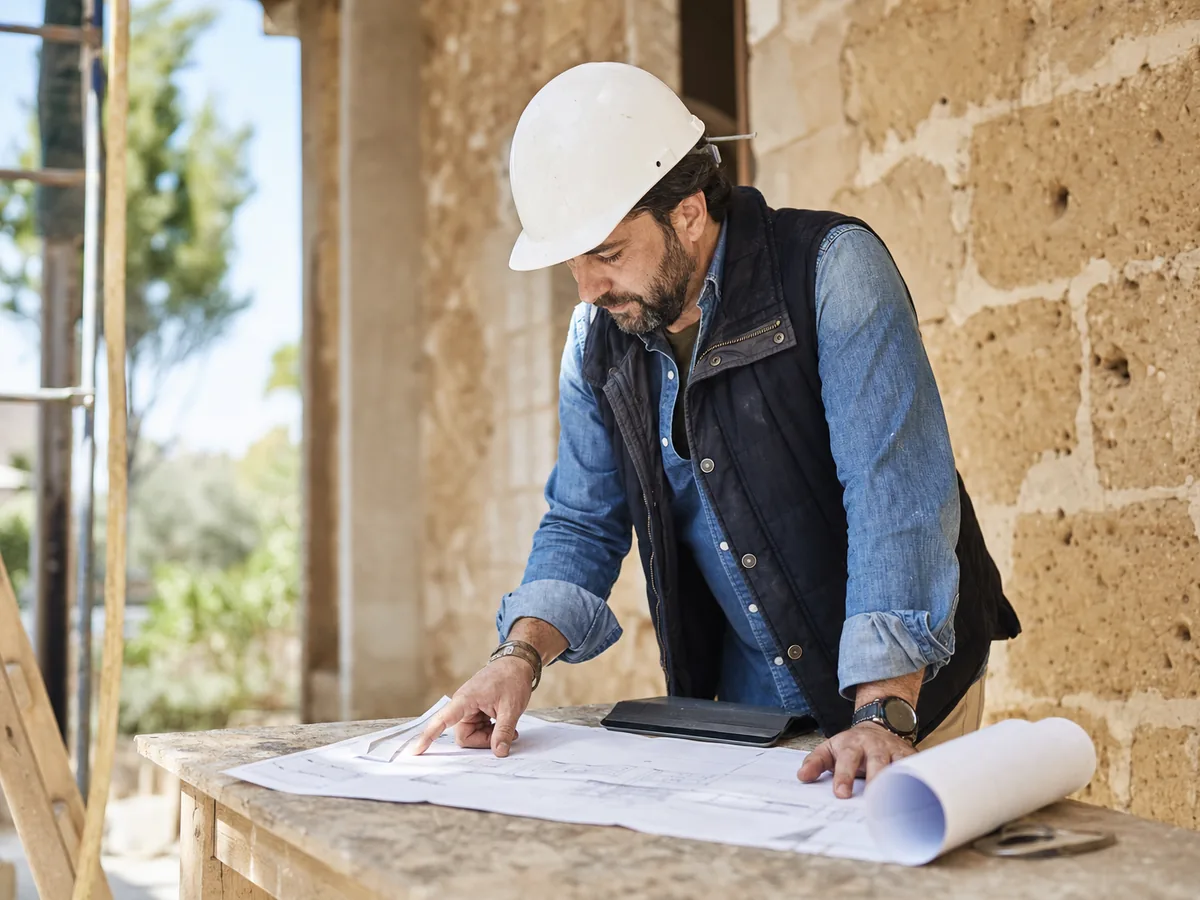
- A major renovation or a full refurbishment. If the layout has been modified, entire installations have been changed, or the structure has been altered, the technician who directed the work is the one who must obtain the document upon completion.
- Change of use to residential. This isn't a renewal; it's a first occupancy certificate, which is mandatory to legalize the new property. We explain it in detail in the change of use from premises to housing in Palma.
- Expired ID card. If more than ten years have passed since the last renovation, the extent of the work doesn't matter: to sell or rent, you have to renovate.
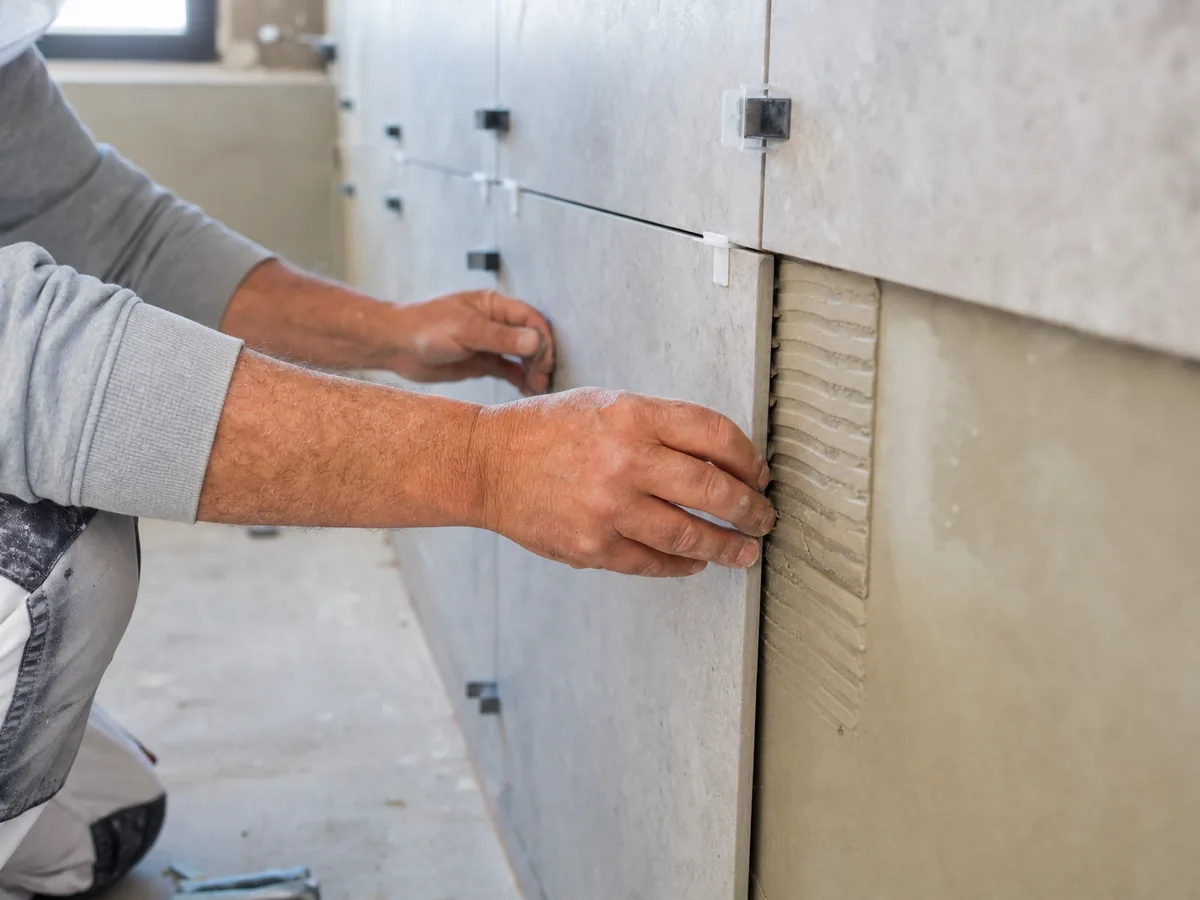
If the renovation has only involved finishing touches—painting, changing flooring, updating a bathroom without moving walls or main installations—the existing certificate remains valid until it expires. This is the most common situation and the one that causes the fewest problems.
How do you obtain a cédula de habitabilidad in Mallorca step by step?
The procedure must be carried out by a competent technician —an architect or technical architect—, not by the owner on his own.
In Palma, the City Council also publishes the information sheet for the procedure of certification for obtaining the cédula de habitabilidad on their website. These are the phases:
- The technician visits the property to check its actual condition.
- Certification that the dwelling is habitable in accordance with applicable regulations.
- Updated photographs of the rooms and the facade.
- Confirmation that no structural changes have been made since the previous certificate, in case of renewal.
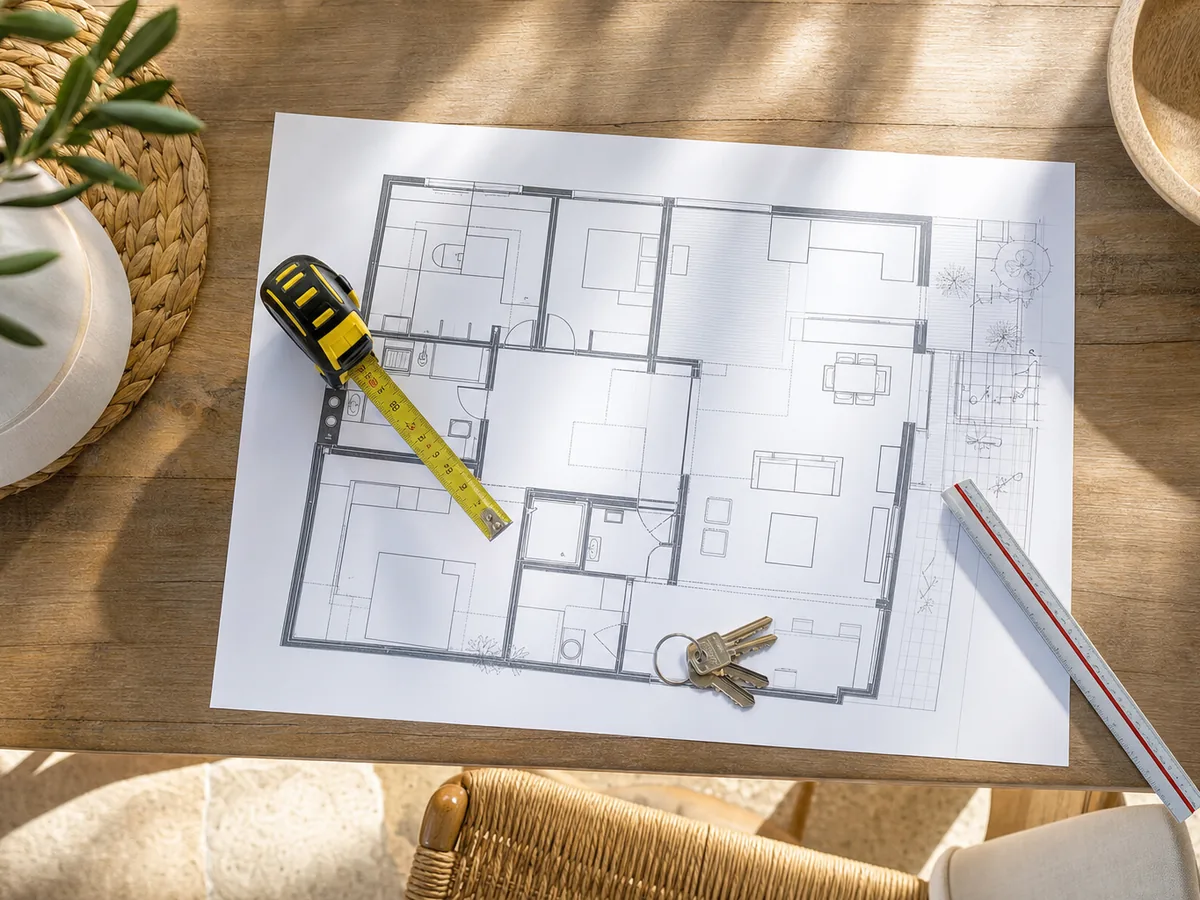
- Drafting of the signed report, with plans and cadastral data.
- Presentation of the file to the Consell de Mallorca.
- Resolution and issuance of the certificate.
The usual processing time is around a month. In a sales transaction with a confirmed notary date, that month must be factored into the calendar from the beginning: it's one of the most frequent reasons for postponing signings in Mallorca.
How much does a cédula de habitabilidad cost in the Balearic Islands?
The cost depends on the fees of the technician who processes it and the type of file, and ranges from tens to a few hundred euros for a renewal, while in a first occupancy certificate after a change of use it is included in the package of fees for the project and the direction of work.
It is worth putting it in perspective. Compared with the cost of the work itself, with the technical fees of a renovation —which run from 3% to 5% of the construction cost when a quantity surveyor is involved— or with the price of property in Mallorca, the cédula de habitabilidad is one of the smallest items in the whole process. And it is the only one that can stop a sale the day before completion. On how technical fees break down, we go into it in how much the project and site supervision of a renovation cost.
What happens if the dwelling does not meet the habitability requirements?
If the technician determines that the property does not meet the minimum requirements, they cannot issue a certificate and there will be no occupancy permit. The next step is to carry out the necessary work to correct the specific deficiency, and then the application must be submitted again.
The four main reasons for rejection we see are: insufficient ceiling height in some habitable rooms, bedrooms or bathrooms without ventilation to the outside or a regulated duct according to the basic document DB-HS of the Technical Building Code, electrical installation without grounding or without a suitable panel, and rooms created in a previous renovation without a license and without the minimum conditions —the classic bedroom gained from a storage room or an enclosed terrace without permission—.
That last case is tricky because it's usually discovered when you try to sell. Unauthorized construction not only prevents you from obtaining a cédula de habitabilidad, but it can also force you to restore the property to its original state. If you're in that situation, you need to address it before putting the property on the market, and the process involves evaluating whether the construction can be legalized. It's a common scenario in inherited homes, where nobody knows what was done or when.
Is a cédula de habitabilidad the same as an energy performance certificate?
No, they are two different documents with different purposes, and they are often confused. The occupancy certificate verifies that the property is habitable; the energy efficiency certificate rates its energy consumption with a letter from A to G. Both are required to sell or rent, but neither replaces the other.
There are further practical differences: the occupancy certificate is processed by the Consell de Mallorca and is valid for ten years; the energy performance certificate is registered with the corresponding regional body and is also valid for ten years, but it can become obsolete sooner if renovations improve the building envelope or the installations. In fact, after replacing windows or installing an air source heat pump, it's advisable to renew it, because the energy rating improves, and that's a selling point. We explain this in energy rating in homes.
Frequently asked questions about the cédula de habitabilidad in the Balearic Islands
How long does it take to get a cédula de habitabilidad in Mallorca?
The processing time is usually around one month from when the technician submits the complete file to the Consell de Mallorca. This does not include the time required for site visits, taking photographs, preparing plans, and drafting the report. If a notary appointment is already scheduled, it's advisable to begin the process six to eight weeks in advance.
Is a cédula de habitabilidad mandatory for renting in the Balearic Islands?
Yes. In the Balearic Islands, a cédula de habitabilidad is mandatory for both selling and renting a property, as well as for registering or changing the name on water and electricity contracts. If it has expired—meaning more than ten years have passed since its issuance—you must apply for a renewal certificate before formalizing the new contract.
Do I need to renew the occupancy certificate if I've only changed the floors and the paint?
No. A renovation of finishes that does not alter the layout, structure, or general installations does not require renewal of the occupancy certificate, which remains valid until its expiration after ten years. Renewal is only necessary when the work is extensive, when there is a change of use, or when the previous certificate has expired.
Who processes the occupancy certificate after a complete renovation?
The architect or building engineer who oversaw the construction process handles the occupancy certificate, as they are the only ones who can certify that the completed dwelling meets habitability standards. The owner cannot submit it independently without this signed technical report. In our comprehensive renovations, we coordinate with the professional to ensure the certificate is issued upon completion of the project, not months later.
Don't let your ID card stop you from selling
If you're renovating a property to sell or rent in Mallorca, the occupancy certificate is one of the first things you need to check, but often the last thing people remember. We take care of it within the construction schedule: we coordinate with the technician and hand over the property with all the necessary paperwork in order. We are a Construction and renovation company in Mallorca with three generations in the trade, a fixed labour price, and a one-year warranty on renovations and two years on materials. You can see the scope at Our comprehensive renovations in Mallorca. Tell us your story and we'll tell you what's needed.