An owner can carry out renovations within their apartment without permission from the homeowners' association, but Article 7.1 of the Horizontal Property Law requires them to give prior notice of the work to the association's representative. Authorization from the association is only necessary when the work affects common elements, the building's safety or structure, or its exterior appearance: facade, roof, downpipes, patios, and load-bearing walls. The difference between giving notice and requesting permission is what determines whether the work can be stopped.
What work can I do in my apartment without permission from the community?
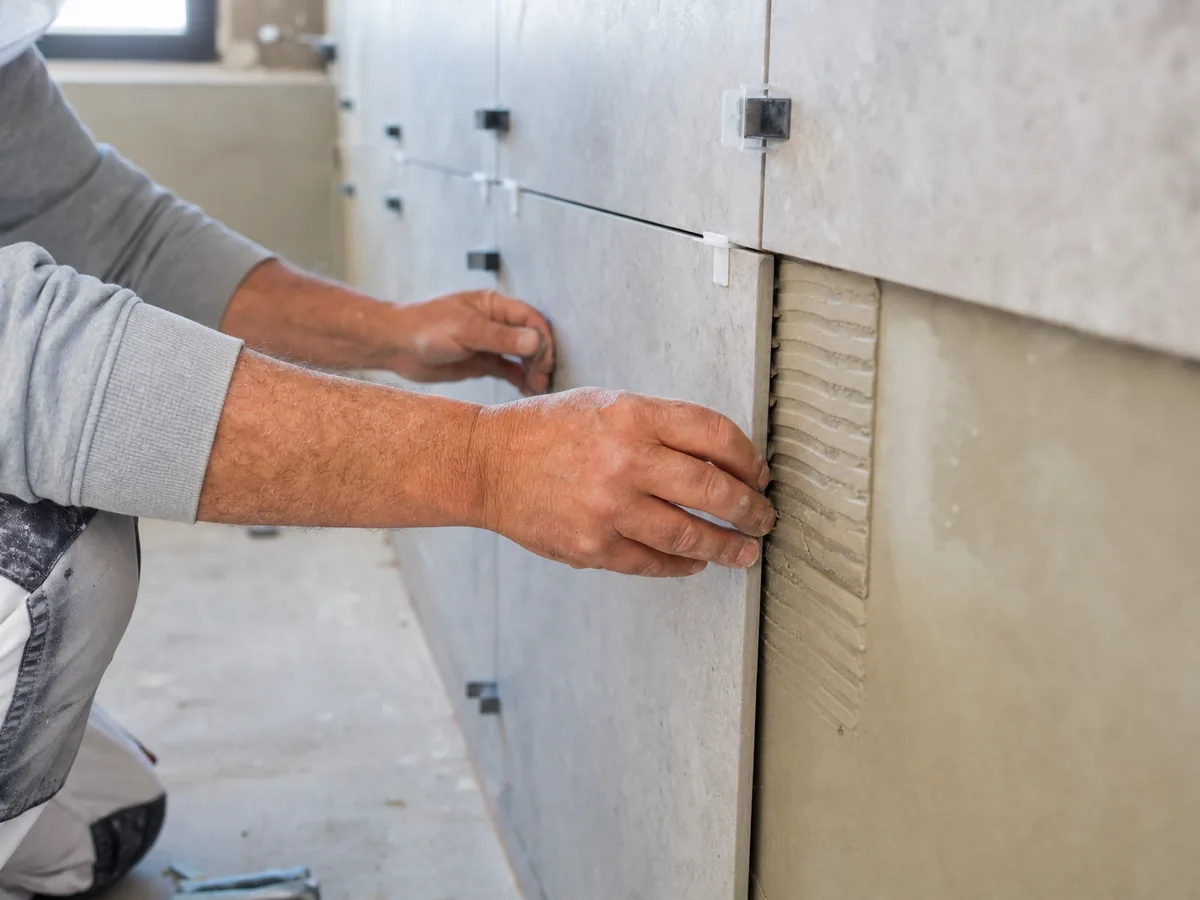
All those changes that remain within private elements and do not affect the building's safety, structure, exterior appearance, or the rights of another owner. In practice: changing floors, tiling, painting, interior woodwork, bathroom fixtures, kitchens, or moving a partition wall that is not load-bearing.
He says so Article 7.1 of the Horizontal Property Law It states quite clearly: the owner can modify the architectural elements, installations, and services of their apartment as long as it does not diminish or alter the safety of the building, its general structure, its exterior configuration or condition, or infringe upon the rights of another owner. And it adds an obligation that almost no one fulfills: to report such works beforehand to the person who represents the community.
Pay attention to that nuance, because that's where almost everyone gets it wrong, in both directions. You don't need to ask for permission, but you do need to give prior notice. And giving notice isn't the same as putting it to a vote: the president can't deny permission for a project that the law allows.
What works require the approval of the homeowners' association?
Those that involve something that isn't yours, even if it passes through your property. These are the ones that, in practice, require agreement:
- Opening, closing or modifying openings in the facade, including new windows and ventilation outlets.
- Enclosing or glazing a terrace or balcony, because it alters the exterior configuration.
- Replace or divert a main soil stack of the building.
- To intervene in a load-bearing wall, a pillar or a floor slab.
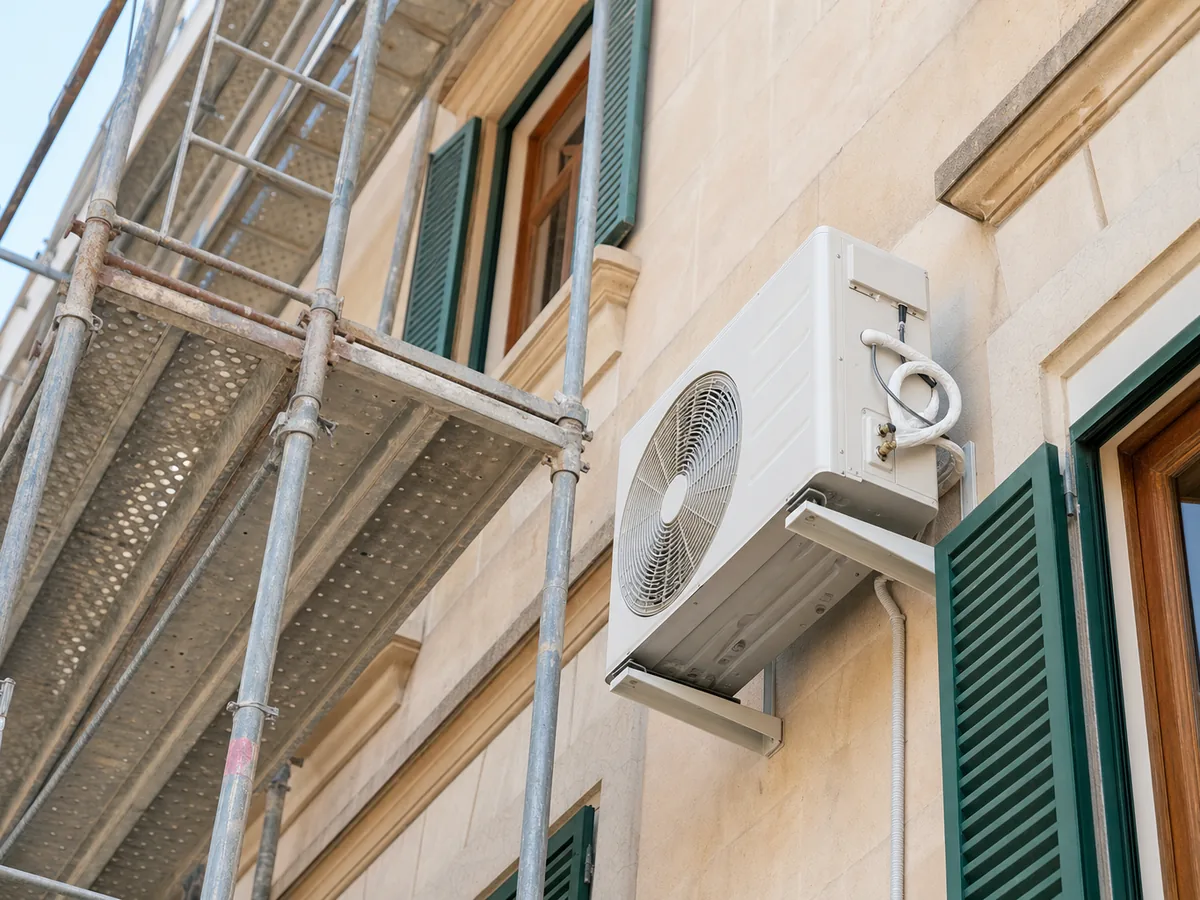
- Install equipment on the roof, patio or facade: air conditioning, extractors, panels.
- To occupy or modify a light well or an interior courtyard.
- Changing the use of the property when the statutes condition it.
Points 1 and 5 are the ones that cause the most conflict in Palma buildings. The outdoor air conditioning unit hung on the façade without agreement is probably the number one cause of neighbour disputes during renovation work, and the association can require its removal. On enclosing terraces there is a fair amount to qualify, and we deal with it in building permit for terraces and balconies.
What majority is needed to approve a project at a meeting?
It depends on what is being voted on. Not all projects require the same majority, and confusing them is what makes it possible for an agreement to be challenged later.
| Type of agreement | Majority required |
|---|---|
| Works required by regulations or necessary for conservation | No prior agreement is required: they are mandatory |
| Accessibility and barrier removal works | Simple majority of owners and quotas |
| Installation of common services of general interest | Three-fifths of owners and shares |
| Alteration of the articles of incorporation or bylaws | Unanimity |
| Authorization for private work affecting a common element | Depending on what is altered: up to unanimity if it modifies the title |
The most surprising point is the first. If what needs to be done is necessary maintenance work—a leaking soil stack, a roof leaking, a facade at risk of collapse—the community cannot hide behind the excuse that it wasn't approved: the obligation to maintain the building isn't put to a vote. This is the same logic that applies after a building technical inspection in the Balearic Islands.
How is a construction project communicated to the homeowners' association?
In writing, before starting, addressed to the president or administrator, and keeping proof of delivery. An email with read receipt or a letter delivered with a stamped copy is sufficient; a verbal notice in the elevator is useless if there's a problem later.
The following should be included in the written document: a description of the work to be carried out, the start date and expected duration, working hours, whether there will be a container in the street, details of the company performing the work, and a statement that no common elements or the structure will be affected. This ensures the owner complies with Article 7.1 and is in a very strong position should anyone attempt to halt the work.
We draft that notice for our clients as part of our service, because a neighbour unhappy with well-communicated construction work is a troublesome neighbour; a neighbour unhappy with uncommunicated construction work is a potential source of legal action. And regarding what a neighbour can and cannot demand, we clarify that in... Can a neighbour ask me for my building permit?.
Can the community stop construction work inside my home?
The community cannot stop a construction project that is limited to private elements and respects the law, but it can demand the cessation and go to court when the construction affects common elements, the structure or the exterior configuration without authorization.
The mechanism is described in Article 7 of the Horizontal Property Law itself: the president, either on their own initiative or at the request of any owner, requires the person carrying out the activity to cease immediately, under threat of legal action. If the work has already been completed and was illegal, the result may be the restoration of the property to its previous state at the expense of the person who carried it out.
Translated into real cost: an air conditioning unit poorly installed on a facade can end up meaning dismantling it, repairing the facade, and reinstalling it elsewhere. Three times the price of having consulted a professional beforehand.
When is it NOT advisable to start the work without taking it to a meeting?
Even if the law is on your side, there are three situations in which we recommend going to the owners' meeting before starting, even when you are not obliged to:
- When the work is long and noisy. A game involving several weeks of play on a small farm generates enough tension for someone to look for a formal reason to stop it.
- When there are doubts about whether a partition wall is load-bearing. If it turns out that it was, you're no longer in the realm of privacy, and by then the wall is open.
- When you have to run installations through a common area, even if it's just a small section of patio or stairwell.
In renovations of entire buildings the approach is different and we deal with it in communal area renovations in Mallorca.
Frequently asked questions about renovations in an apartment and the homeowners' association
Do I need to ask the community for permission to renovate my kitchen or bathroom?
No authorization from the homeowners' association is required to renovate the kitchen or bathroom if the structure, facade, and main downpipes are not affected. However, Article 7.1 of the Horizontal Property Law does require prior notification of the work to the president or the building manager. Furthermore, if a communal soil stack needs to be rerouted or a new ventilation outlet opened on the facade, then approval is necessary.
Can I install air conditioning on the facade without permission from the community?
No. An outdoor unit mounted on the facade alters the building's exterior appearance, which is a common element, so it requires authorization from the homeowners' association. Installing it without their approval could lead to the community demanding its removal and the repair of the facade. Many communities already have established guidelines on where it's permitted: it's advisable to inquire before purchasing the unit.
What happens if I touch a load-bearing wall without notifying the community?
This falls outside the scope of private property rights, because the structure is a common element and affects the building's safety. Therefore, the community can demand that the work cease and pursue legal action, including restoring the structure to its original state. Furthermore, altering a load-bearing wall requires a project plan and a major works permit. Before opening any questionable partition wall, it is essential to verify its structural integrity using the plans or through an exploratory excavation.
Can the president of the homeowners' association prohibit me from carrying out construction work in my apartment?
The president cannot prohibit work that the law permits on a private element; their role is limited to receiving prior notification. However, they can demand cessation when the work affects common elements, the structure, or the exterior without authorization, and take the matter to court if the owner does not comply with the demand.
We'll help you tie it securely.
In our renovations, we check before starting whether any partition walls are load-bearing, if utilities need to be run through common areas, and what the building regulations require. We also prepare the necessary notification to the homeowners' association. This half-hour effort avoids the most expensive problem in a renovation of an urban property. We are a renovation and rehabilitation company in Mallorca with three generations in the trade, fixed labour price, one year guarantee on the renovation and two on materials, and 100% financing.