When we consider carrying out any work on a building—whether a partial renovation, an extension, or a complete refurbishment—a fairly common question arises: What projects require a technical architect? The answer not only has to do with complying with the law, but also with ensuring that the result is safe, well-executed, and free of problems down the road.
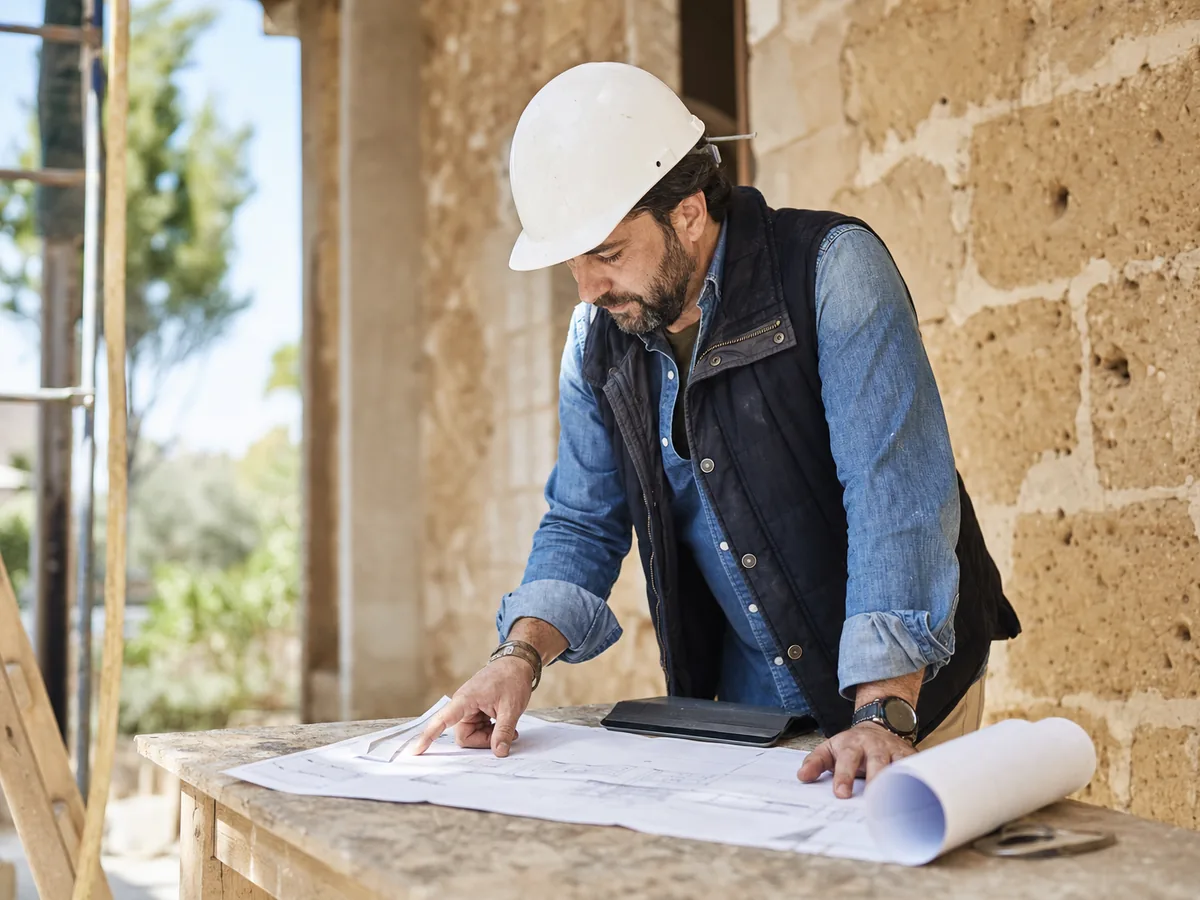
The building engineer—also known as a quantity surveyor—is a key figure in the construction industry. They are responsible for coordinating the practical aspects of the project, supervising materials, ensuring safety, and guaranteeing that everything is carried out according to the plans. Knowing when their involvement is mandatory or highly recommended can save you a lot of trouble and even prevent penalties. The next question is usually about the cost of their services: we break it down as follows: how much the project and site supervision of a renovation cost.
What the law says about the role of the technical architect
To understand which projects require a technical architect, you must look at the Spanish regulations governing their work. The two most important laws are:
- The Building Regulations Act (LOE)
- Law 12/1986 on professional powers
These regulations establish that technical architects are qualified to work on construction projects, especially those that do not significantly alter the structure, use, or volume of a building.
What types of renovations require a technical architect?
Here are some examples where your intervention is necessary or very convenient:
Interior renovations that modify the layout
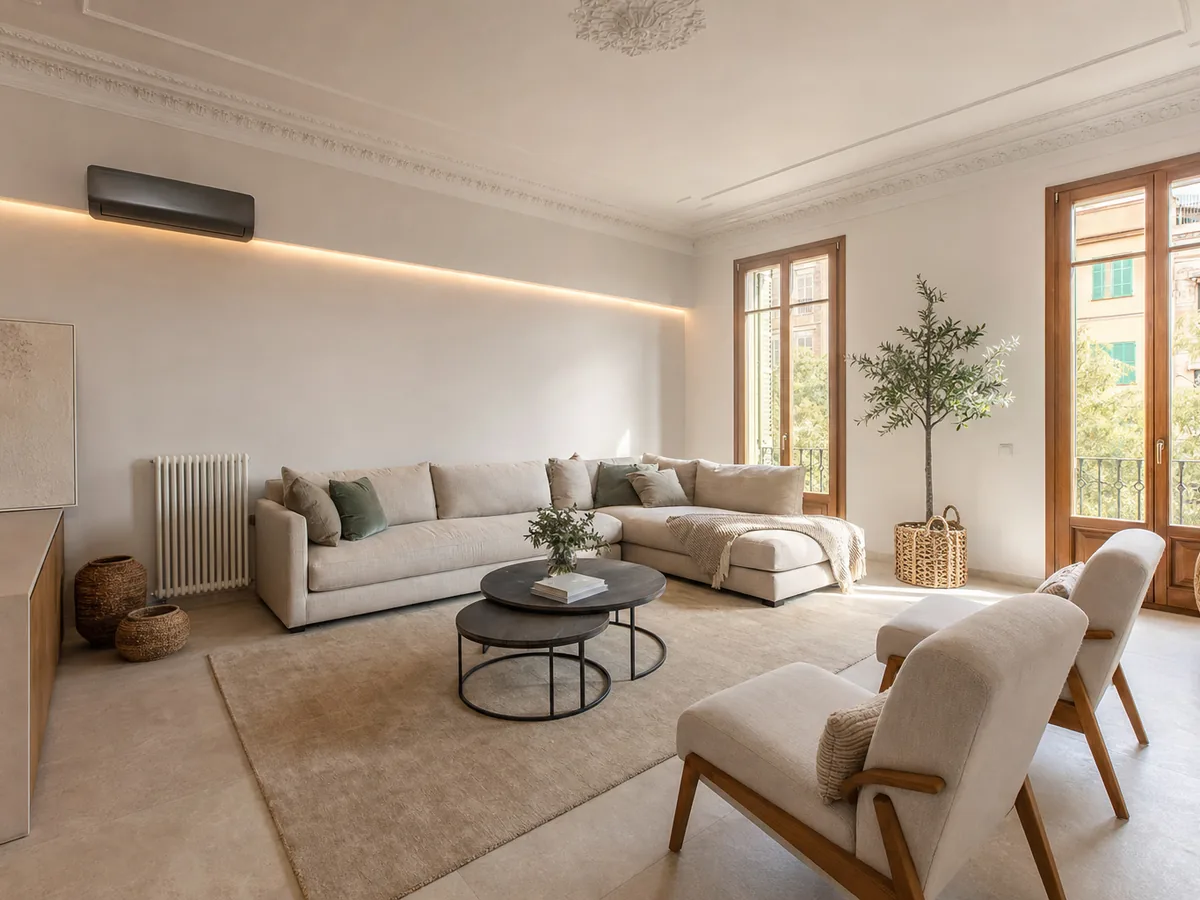
Many renovations in Mallorca, whether in apartments or commercial premises, involve knocking down walls, changing installations, or updating finishes. If it's a one-off job like painting or replacing flooring, there's no problem. But if the renovation affects common areas or the layout of the space, you'll most likely need a quantity surveyor. If you already know your works need site supervision, our page on quantity surveyors for renovations in Mallorca sets out what it costs and exactly what they sign.
Structural renovations or repairs
This is one of the clearest cases when we ask ourselves which projects require a technical architect. For example, if a slab needs to be reinforced, a roof replaced, or pillars worked on, the technical direction of the project falls directly to the technical architect, even if the design was done by an architect.
Opening of premises or changes of use
If you're opening a business or converting an office into a home, you'll need a business plan. In this process, the technical architect plays a fundamental role: they prepare the documentation, adapt the space to regulations, and coordinate the technical phases of the project.
Functions of the technical architect according to the work
Their involvement may vary depending on the type and size of the project. These are the most common tasks:
Execution direction
This is perhaps their most recognized role. Every time there's a technical project, there must be an execution manager. This person ensures that everything is built as planned, with the right materials and following the necessary safety measures.
What projects require a technical architect in this case? Virtually all projects with a major construction permit: comprehensive renovations, major renovations, expansions, or new construction.
Drafting projects for small works
Although for large projects the project is usually drafted by an architect, for smaller projects a technical architect may also be responsible. For example:
- Interior renovations without touching the structure
- Extensions to single-story buildings, not for public or residential use
- Demolition works
In these cases, the technical architect can prepare the entire project and the necessary documentation to apply for permits and licenses.
Reports, certificates and appraisals
Their work isn't limited to being on-site. They can also draft expert reports, issue certificates of age or occupancy, appraise properties, and perform other documents that are often required for legal or notarial procedures.
Works where it is not mandatory, but recommended
There are cases in which a technical architect is not legally required, but having one can prevent costly errors or delays. Some examples:
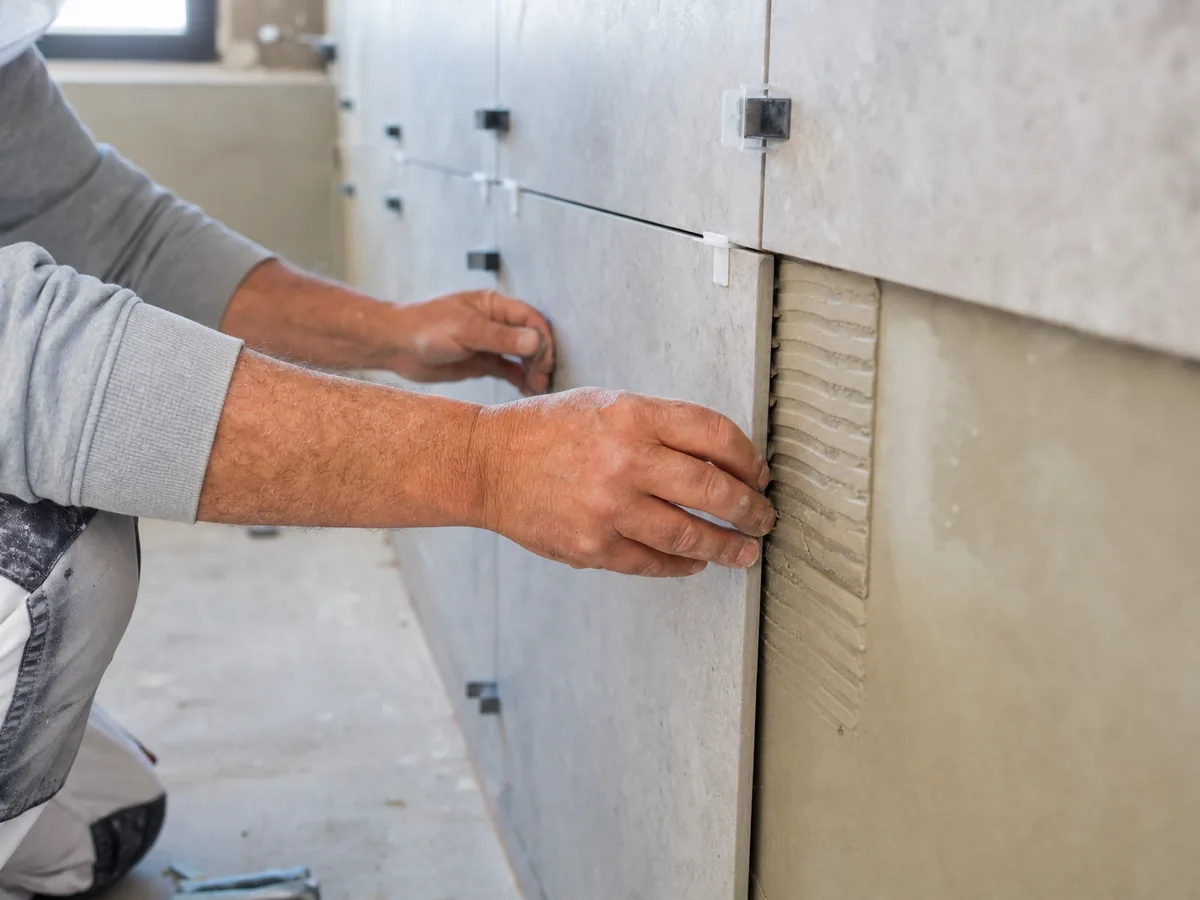
- Renew tiling, sanitary or paint
- Replace electrical or plumbing installations without changing their layout
- Lightweight outdoor construction: pergolas, enclosures, or solar panels (depending on the case)
Even for minor renovations, the support of a technician can make the difference between a well-finished project and one riddled with setbacks.
Homeowners' associations: when is it necessary?
In residential communities, work on common elements almost always requires a technical architect. Whether it's to renovate the façade, install an elevator, replace downpipes, or improve the building's accessibility.
In addition to managing subsidies—which often involve their own bureaucracy—it is also responsible for certifying that everything is done in accordance with regulations.
What if the building has heritage protection?
In listed or protected buildings for historical or urban planning reasons, any intervention requires special procedures. Here, it's common for an architect and a technical architect to work together: one drafts the project and the other supervises its execution. This collaboration is essential to ensure compliance with the legal requirements of heritage organizations.
Benefits of having a technical architect
Knowing which projects require a technical architect also helps you assess what they bring to the table, even when it's not mandatory:
- You make sure everything is within the law
- There is real technical and economic control
- Execution improves and botched jobs are avoided
- The unions work in a coordinated manner
- Errors and unforeseen events are reduced
Thanks to their training, which combines technical and management knowledge, the technical architect is a key figure in ensuring that any renovation goes smoothly and with guarantees.
Tecnic Project: experts in renovations in Mallorca
At Tecnic Project, we have a team of technical architects with extensive experience in renovations in Mallorca . From the drafting of the project to the last detail, we take care of every step to ensure everything complies with regulations and meets your expectations.
Are you thinking about renovating your home or business? We'll be with you from the beginning to ensure your project is safe, functional, and free of surprises.