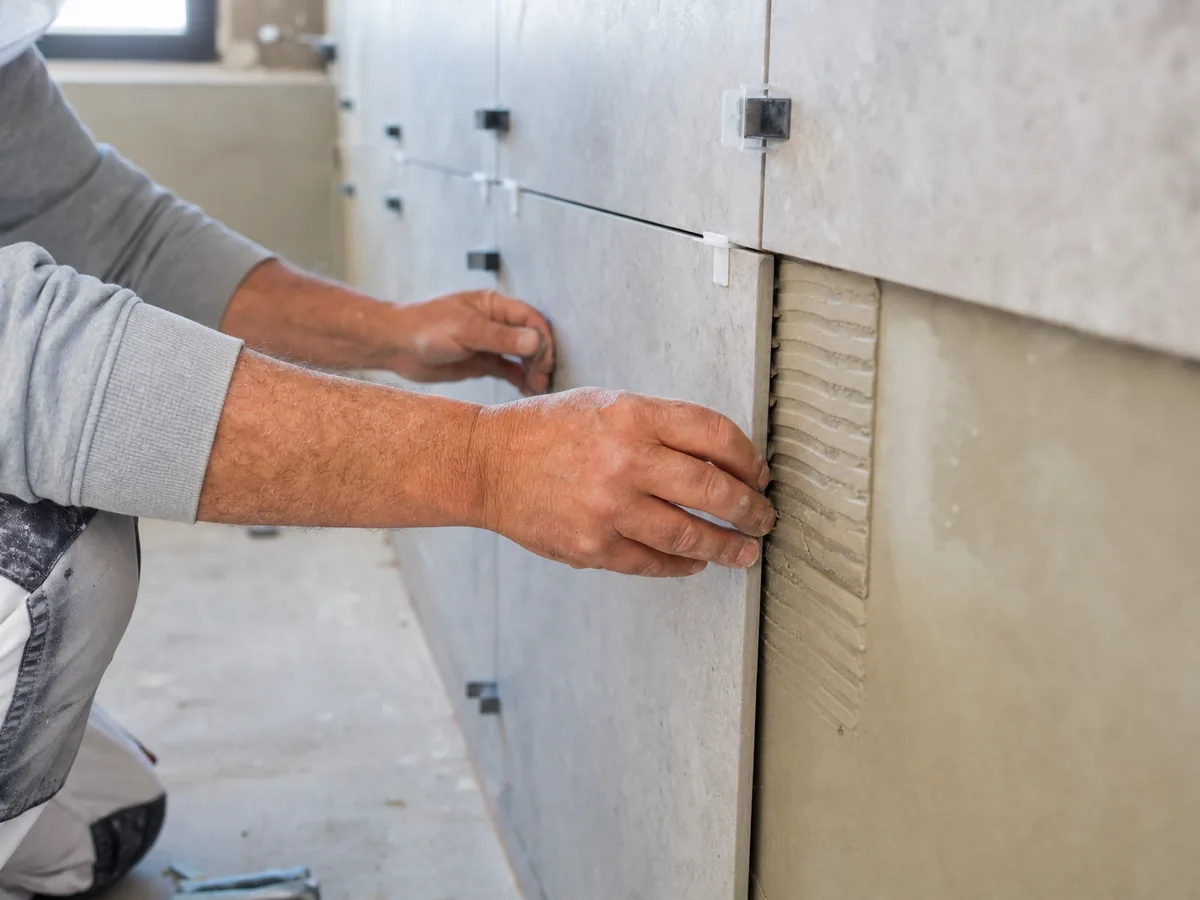
Both options are well-known, have a good reputation, and, truth be told, offer lasting results. But they're not the same, not even close. Let's see how they differ and which one might best suit your needs.
When renovating a kitchen—and even more so in a house where real life is lived in, with people cooking, eating together, and living day to day—there are decisions that can't be taken lightly. One of them, without a doubt, is choosing the right countertop. Because it's not just a matter of aesthetics. It's the part of the kitchen that gets used the most, that suffers the most, that is most visible. And that's where a question many people ask themselves arises: granite or Silestone countertops?
Granite or Silestone: similar, but with different stories
Although they may seem similar at first glance, these countertops have very different origins. The granite is 100% natural. It's extracted directly from the earth, cut, and polished, and what you see is the stone itself, unfiltered. Each piece has its own unique pattern, veining, and nuances. No two are alike, and that adds to its charm.
Silestone, on the other hand, is a man-made material. It contains natural quartz, yes, but also resins and pigments. This allows it to offer a much wider range of colors, and best of all: very uniform. If visual order and uniform surfaces are your thing, this may be the option for you.
And the heat? Because we've all accidentally put a pot on the stove...
This point is key, especially if you use the kitchen a lot. Granite, being a natural stone, withstands heat better. If you accidentally place a hot pan on it, it's probably fine. Although, of course, it's always best to use a trivet.
Silestone, on the other hand, tolerates moderate temperatures, but manufacturers make no secret of this: it's best not to take risks. Excessive heat can leave marks or even cause a crack. So, here, granite takes a point.
Stains: Which one cleans better?
In practical, everyday use, this matters more than it seems. Granite, due to its porous structure, requires sealing to prevent it from absorbing liquids like wine or oil. With proper sealing and a little care, it performs very well. But it does require attention.
Silestone is more convenient in this regard. Since it's nonporous, it doesn't need to be sealed, and it's easy to clean. If you're the type who likes to wipe it and forget about it, this may be the most manageable option.
Aesthetics: natural versus uniform
This is where personal taste comes into play. Granite has a raw beauty, with veins and contrasts that cannot be replicated. Each countertop is a unique piece, and that has a special value.
Silestone, on the other hand, stands out for its variety. There are soft, dark, glossy, matte, marble-like, cement-like, metallic-like colors—all very well-balanced. If you're looking for a modern, clean, and perfectly uniform finish, it's a great option.
What if the kitchen is on a terrace or outside?
In places like Mallorca, where outdoor kitchen areas are common, this can be decisive. Granite withstands sun, rain, and outdoor use without any problem. It's not affected by UV rays, so it maintains its color and shape over time.
Silestone, on the other hand, is not designed for outdoor use. Direct sunlight can cause it to discolor or even lose some of its structure. Outdoors, it's best to opt for natural wood.
What maintenance does each one require?
Maintenance also makes a significant difference. Granite, as mentioned, requires initial sealing and occasional inspection. But other than that, it can be cleaned with soap and water. Nothing complicated.
Silestone makes it even easier. It doesn't require additional treatments and just needs a daily wipe with a damp cloth. For those looking for something practical and hassle-free, this is a strong point.
Bumps, scratches and oversights
Both materials are durable, although with nuances. Granite is very hard, but more rigid. If it receives a sharp blow, it can splinter. Silestone, because it contains resins, has a certain elasticity that allows it to better absorb some impacts.
Just be aware: in both cases, avoid cutting directly on the surface. It doesn't cost anything to use a cutting board, and it prolongs the life of your countertop.
Kitchen hygiene: prevention is better than cure
In terms of hygiene, both materials meet the requirements. Silestone has specific certifications for food use, which always provides peace of mind.
Granite, if well sealed, is also safe. However, since it's porous, you need to be more consistent with cleaning to prevent bacteria from accumulating in the pores. It's not a big deal, but it's worth keeping in mind.
And the price? There's no single answer here.
The cost of granite or Silestone countertops depends on many factors: the type of finish, thickness, design, even the place of origin of the material. Sometimes Silestone is cheaper, especially for standard models. But if you go for more exclusive colors or textures, it can be quite expensive.
With granite, something similar happens: there are more affordable options and others that are true natural gems, with prices to match. It's best to request a personalized quote, being clear about what you want and the intended use.
Sustainability: each material with its own thing
In times when environmental impact matters, this also comes into play. Silestone has incorporated recycled materials and reduced the silica content in some of its collections, helping to reduce its ecological footprint.
Granite, being a natural material, doesn't require chemical processes for its manufacture. However, you must consider the transportation costs from the quarry, which sometimes come from far away. Ultimately, if this concerns you, it's a good idea to ask and look at the labels before deciding.
At Tecnic Project we accompany you in your renovation
In the end, there's no one-size-fits-all answer. The choice between granite or Silestone countertops depends largely on how you experience your kitchen, what you value most, and also on the style you want to give your home.
At Tecnic Project, we have been doing kitchen renovations in Mallorca for years. And we know that every home is unique. That's why, rather than selling you a material, we prefer to accompany you and help you find what best suits you. From design to installation, we're here to ensure your kitchen is not only beautiful, but also practical and unique.
Have questions? Write to us and we'll discuss which option best suits your needs.